Creating a Cozy Safe Space for a Shy or Anxious Cat
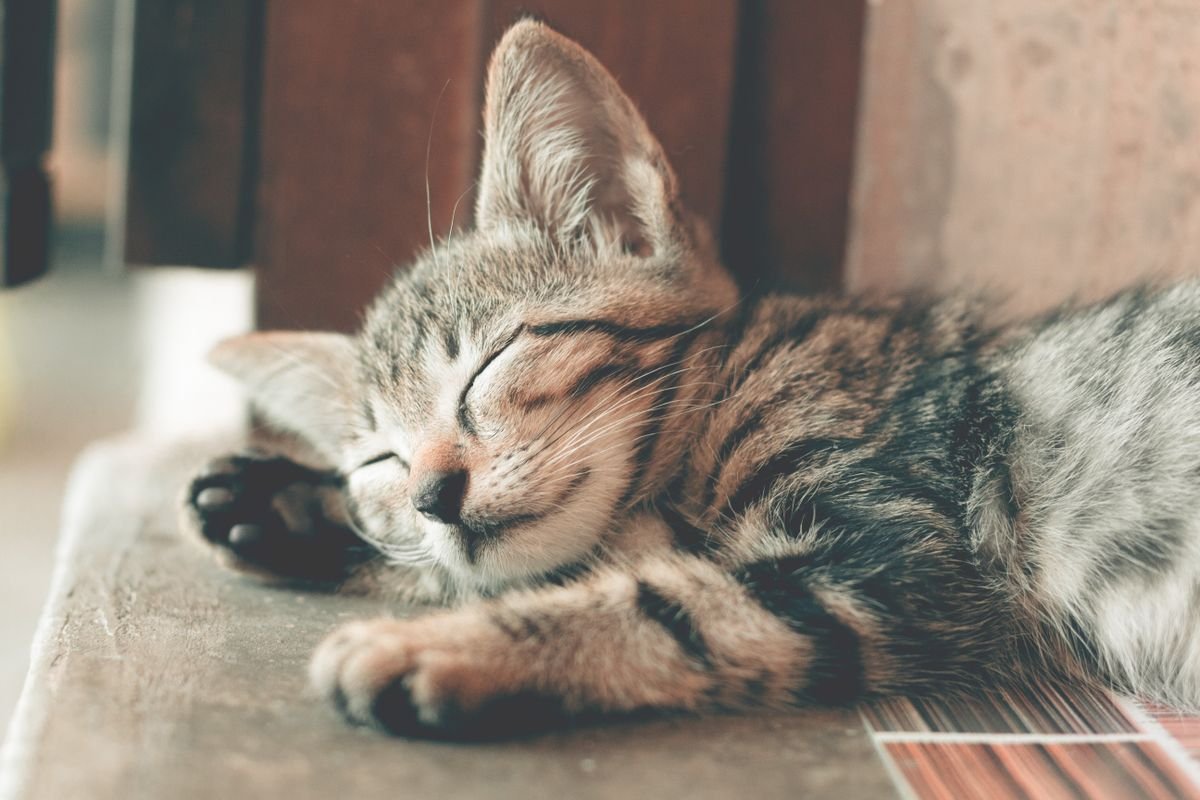
Some cats greet the world with confident tails held high. Others watch it warily from beneath the bed. A shy or anxious cat is not broken or unfriendly — they simply feel safest when they can observe before they engage. The most loving thing you can give such a cat is not constant attention, but a place to feel hidden, warm and in control.
Why cats need to hide
Hiding is a deeply natural feline behaviour, not a problem to be solved. In the wild, a concealed spot means safety from predators and a calm vantage point to survey surroundings. An anxious cat that can retreat to a secure hideaway recovers from stress far faster than one with nowhere to go. Take away their hiding options and anxiety only deepens.
This is why the goal is never to coax a shy cat out into the open, but to give them such a comforting refuge that they choose, in their own time, to venture out.
What makes a safe space feel safe
A truly reassuring cat retreat shares a few key features:
- Enclosure — walls or a cover on most sides so your cat feels surrounded and protected.
- Elevation or seclusion — either up high for a commanding view, or tucked away in a quiet corner.
- Softness and warmth — a plush, cosy lining that holds body heat and invites kneading.
- Quiet — away from busy doorways, loud appliances and household traffic.
A covered cave-style bed, a cube, or even a simple box lined with a soft blanket can all become a sanctuary. The magic ingredient is the feeling of being gently enclosed.
Place it thoughtfully
Location matters as much as the bed itself. Choose a calm, low-traffic spot where your cat already likes to linger. Many anxious cats feel most secure with a den placed in a corner or against a wall, where nothing can approach from behind. If your home is busy, offering two or three small retreats in different quiet rooms gives your cat options.
Add comforting familiarity
Scent is reassurance to a cat. Line the safe space with a soft item that already smells of home, and avoid washing it too often — that familiar scent is part of what makes the spot feel safe. A worn t-shirt of yours can also help your cat associate your presence with calm. Synthetic feline pheromone diffusers, available from pet shops, can gently reinforce the sense of security.
Let them come to you
The hardest and most important rule with a shy cat is patience. Never pull a cat out of their hideaway or block their escape. Instead, sit nearby, speak softly and let curiosity do the work. Reward any brave step toward you with a calm voice and a treat, and let them retreat the moment they wish. Confidence grows when a cat learns that approaching is always their choice.
Signs it is working
- Your cat chooses the safe space voluntarily rather than bolting under furniture.
- They begin to nap there in the open, relaxed and stretched out.
- They venture out more readily and recover from startles faster.
Key takeaways
- Hiding is healthy — give an anxious cat a refuge, do not take it away.
- The best safe spaces are enclosed, soft, warm and quiet.
- Place retreats in calm corners, ideally more than one.
- Familiar scent makes a hideaway feel secure.
- Patience and choice build confidence; never force interaction.
Give a shy cat a place where they feel truly safe, and something lovely happens: with the pressure gone, they slowly bloom. The cat who once watched from the shadows may one day be the one curled contentedly on your lap.
More cozy reads

Soothing Companion
For the gentle souls who find peace in the quietest moments. 🐾 Our Soothing Companion is crafted to bring soft comfort and lighth...
Read more →
Whispering Haven Cat Retreat
Every pet deserves to feel safe and comfortable at home. Whispering Haven Cat Retreat is chosen for Fluffo because it supports the...
Read more →
Keeping a shy cat comfortable around guests
When evening arrives, an anxious pet may need a little extra reassurance. A quiet safe room, hiding spots, no pressure. Small, st...
Read more →